Greensboro is under Stage I voluntary water conservation for at least 30 days. No fines yet, but Stage II would limit sprinklers to one day a week. What to cut now.
Greensboro is asking every water customer to cut back. The city’s reservoirs have dropped after months of dry, hot weather, and Stage I voluntary water conservation took effect Wednesday.
The city announced the step in an Oct. 13 news release. It said reduced storage in the city’s water supply triggered the first stage of its Water Shortage Response Plan. Under that plan, a declared stage stays in place for at least 30 days, so Stage I runs until at least Nov. 13.
Stage I is a request, not a rule. There are no fines at this stage, according to the city’s water status page.
Why now
Guilford County is in extreme drought. The North Carolina Drought Management Advisory Council lists the county in D3, extreme drought, as of Oct. 13. It is one of eight counties in that category.
The city said recent rain only slightly raised its lake levels. “A small amount of rain does not necessarily offset the effects of prolonged dry weather and ongoing water use,” the city said on its status page. Rain has to run off into the reservoirs in volume before storage meaningfully improves.
The National Weather Service in Raleigh forecasts rain showers tonight and a chance of light rain Saturday.
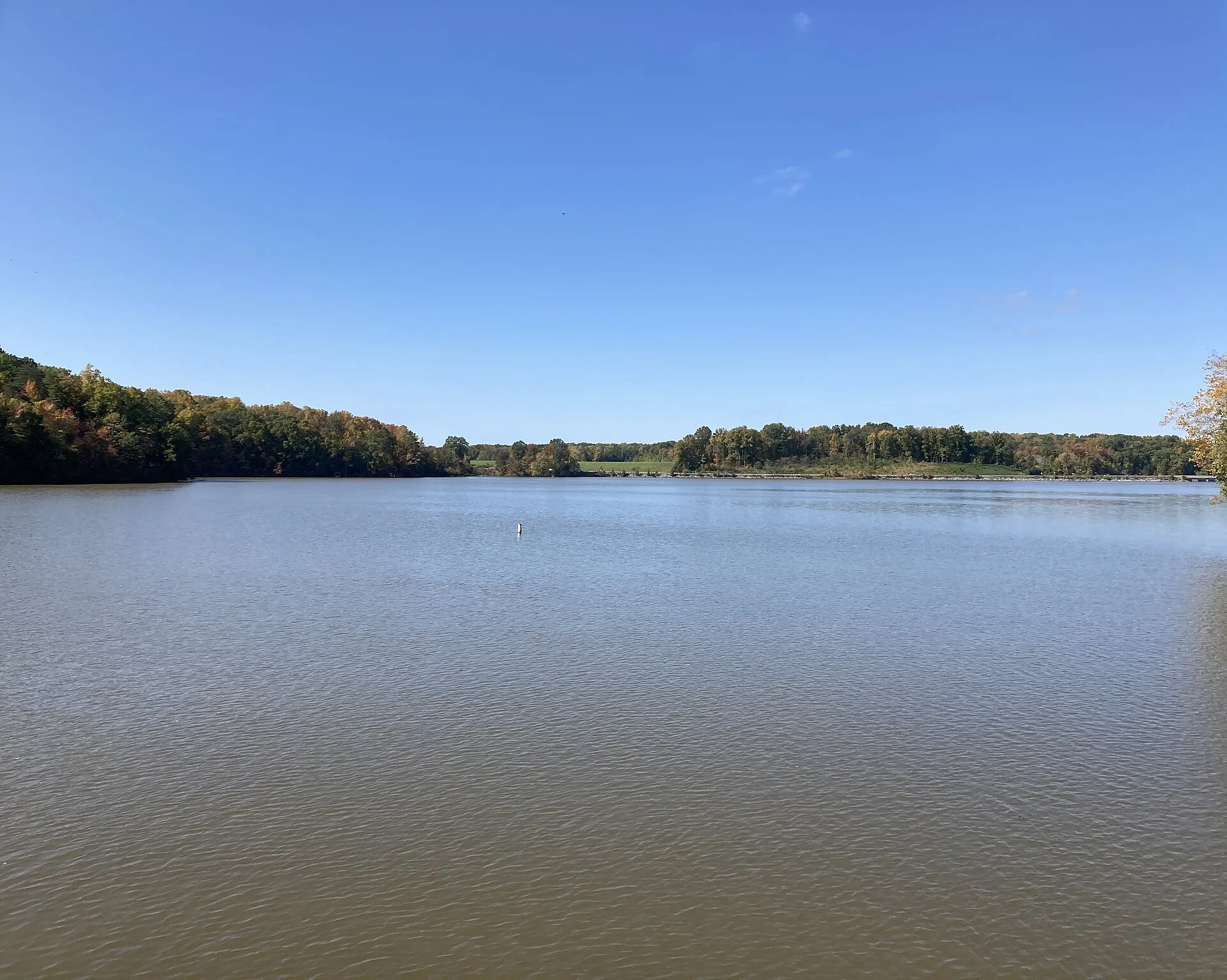
Greensboro draws its water from three lakes in northern Guilford County:
- Lake Townsend
- Lake Brandt
- Lake Higgins, which is used to refill Lake Brandt
Full, the three hold about 8 billion gallons. The city also buys water from Burlington, Reidsville and the Piedmont Triad Regional Water Authority’s Randleman Lake, it said. The two city treatment plants deliver an average of about 35.9 million gallons a day to nearly 320,000 customers.
The city has not published a current storage percentage for the lakes. Its plan sets each stage by the share of reservoir storage left, and the Water Resources director must review that figure at least every seven days.
What the city is asking you to do
The city’s release lists these steps for homes and businesses:
- Fix leaking faucets and toilets.
- Take showers instead of baths, and keep them to five minutes or less.
- Turn off the tap while shaving, brushing teeth or rinsing dishes.
- Run washing machines and dishwashers less often, and only when full.
- Water lawns only as much as plants need to survive.
- Water shrubs the minimum, reusing household water where you can.
- Wash cars less often.
- Don’t hose down sidewalks, patios or driveways.
- Don’t fill swimming or wading pools.
- Fit low-flow showerheads and toilet devices such as early-closing flappers.
The city suggested a commercial car wash over washing a car at home, because car washes use water more efficiently. Licensed commercial pressure washers can keep working.
Apartment complexes, businesses and institutions are asked to cut back too. Based on past droughts, voluntary measures can reduce water use by up to 10%, the city said.
What Stage II would mean
If storage keeps falling, the city manager can move Greensboro to Stage II. That stage is mandatory. The plan sets out what changes:
| Stage I (now) | Stage II | |
|---|---|---|
| Lawn and garden sprinklers | Water only what plants need | One day a week, on your trash pickup day |
| Hand-held hose, drip, watering can | Water only what plants need | Allowed any day |
| Golf courses and separately metered athletic fields | Asked to cut back | 10 p.m. to 5 a.m. only, and 40% less water |
| Penalties for homes | None | Warning, then $100, then $200 |
Customers without city trash service, or with more than one pickup a week, would sprinkle on Wednesdays only. Plant nurseries could still water their stock.
Greensboro last went to Stage II during the drought that ran from 1998 to 2002, the city said.
What it means for you
- Your tap water is safe. The city said Stage I is about supply, not quality.
- Saving water lowers your bill. The usage part of the bill drops; fixed charges such as stormwater do not, the city said.
- Check your daily use in GSO WaterWise, the city’s customer portal.
- Know your trash day. If Stage II comes, that is your sprinkler day. Look it up on our trash and recycling page.
- Questions: call the city’s contact center at 336-373-2489.
Greensboro is not running out of water, the city said. It said conserving now reduces the chance of mandatory limits later. More supply is coming from the regional water authority, which is expanding its Randleman Reservoir plant. Greensboro could receive more water from it as soon as 2028.
We will update this story when the city changes the stage or publishes lake levels.
Have your say